
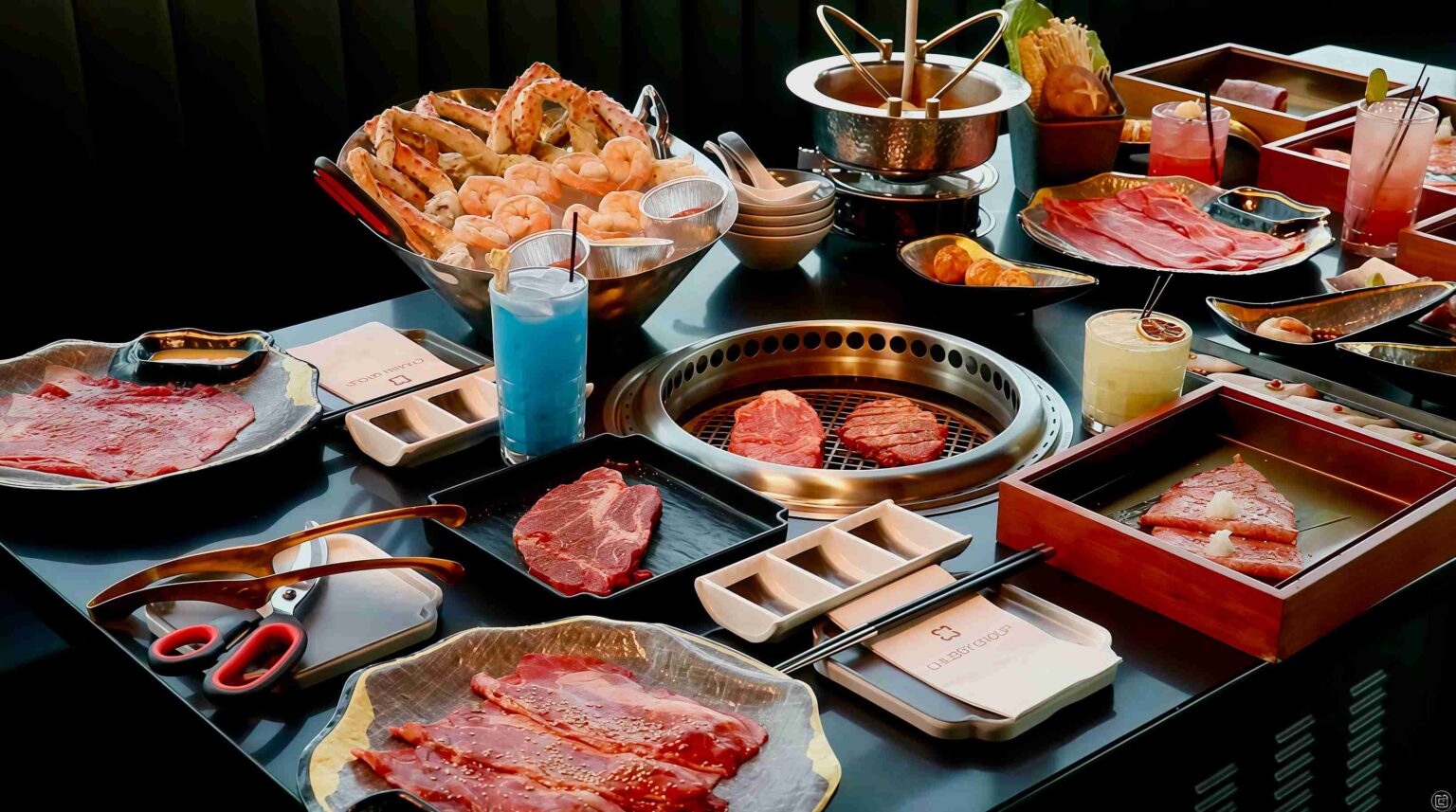
The growing popularity of all-you-can-eat Wagyu barbecue in the San Francisco Bay Area is attracting attention from local food media. In a November 5, 2026 feature, KQED’s The Midnight Diners reviewed Sea Wagyu House, an independent Japanese barbecue restaurant in Milpitas offering premium grilled meats, seafood, and sushi. While the review focuses on Sea Wagyu House, it also draws a direct comparison with Chubby Cattle’s established all-you-can-eat Wagyu dining format, noting similarities in the 90-minute dining experience and tiered menu structure. The article also references Chubby Cattle’s planned opening at Great Mall in Milpitas, highlighting the increasing competition within the region’s premium barbecue market.
For Chubby Group, the comparison illustrates how recognizable the Chubby Cattle dining format has become within the broader restaurant industry. Through its focus on Japanese, Australian, and American Wagyu, interactive tableside grilling, and differentiated menu tiers, Chubby Cattle has developed a restaurant experience that combines premium ingredients with the social appeal of all-you-can-eat dining. Its planned Milpitas location at 248 Great Mall Drive would further expand the brand’s Northern California presence, building on Chubby Group’s existing regional operations. As additional restaurants enter the premium Wagyu category, Chubby Group’s continued emphasis on ingredient sourcing, operational consistency, hospitality, and customer experience remains central to distinguishing its concepts.
The broader business takeaway is that growing competition can be an important indicator of interest in a restaurant category, but maintaining differentiation becomes increasingly important as customers gain more choices. Menu variety and pricing may attract initial attention, while ingredient quality, service, consistency, and the overall dining experience help determine long-term customer relationships. For Chubby Group, the evolving Milpitas restaurant market presents an opportunity to continue refining its Wagyu-focused hospitality model while expanding into communities where interactive Asian dining is gaining visibility. The challenge is not simply to participate in a growing category, but to continue delivering a distinctive experience as that category becomes more competitive.
Read more: